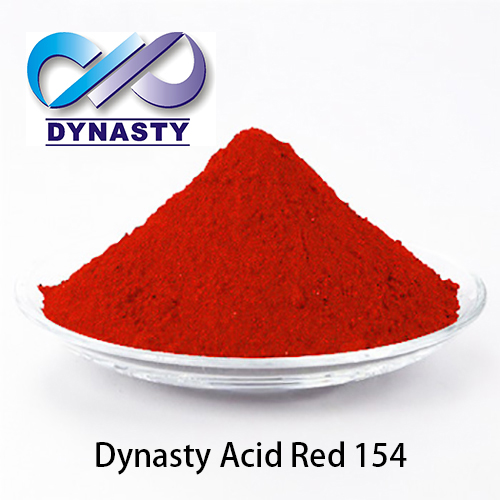
Organic pigments are quickly becoming a popular choice for colorants in a variety of industries, from paints and coatings to plastics and textiles. Unlike traditional inorganic pigments, which are derived from minerals, organic pigments are made from carbon-based molecules and offer several advantages in terms of sustainability and performance.
One of the key benefits of organic pigments is their low environmental impact. Inorganic pigments often require extensive mining and processing, which can have a significant impact on the environment. Organic pigments, on the other hand, can be made from renewable resources and are often biodegradable, making them a more sustainable choice.
In addition to their environmental benefits, organic pigments also offer superior performance compared to inorganic pigments. They are often more vibrant and have better colorfastness, meaning they do not fade or degrade over time. They are also more resistant to chemicals and UV light, making them ideal for use in outdoor applications.
As demand for sustainable and high-performance colorants continues to grow, the market for organic pigments is expected to expand significantly in the coming years. According to a report by Grand View Research, the global organic pigment market is expected to reach $5.2 billion by 2025, driven by increasing demand from the automotive, construction, and packaging industries.
The shift towards organic pigments is part of a larger trend towards sustainability in the chemical industry, as companies seek to reduce their environmental impact and meet the growing demand for eco-friendly products. As consumers become more conscious of the impact of their purchases on the planet, organic pigments are poised to become a key ingredient in the sustainable products of the future.
One of the key benefits of organic pigments is their low environmental impact. Inorganic pigments often require extensive mining and processing, which can have a significant impact on the environment. Organic pigments, on the other hand, can be made from renewable resources and are often biodegradable, making them a more sustainable choice.
In addition to their environmental benefits, organic pigments also offer superior performance compared to inorganic pigments. They are often more vibrant and have better colorfastness, meaning they do not fade or degrade over time. They are also more resistant to chemicals and UV light, making them ideal for use in outdoor applications.
As demand for sustainable and high-performance colorants continues to grow, the market for organic pigments is expected to expand significantly in the coming years. According to a report by Grand View Research, the global organic pigment market is expected to reach $5.2 billion by 2025, driven by increasing demand from the automotive, construction, and packaging industries.
The shift towards organic pigments is part of a larger trend towards sustainability in the chemical industry, as companies seek to reduce their environmental impact and meet the growing demand for eco-friendly products. As consumers become more conscious of the impact of their purchases on the planet, organic pigments are poised to become a key ingredient in the sustainable products of the future.